Growing Gaura in Containers
This website is reader-supported - thank you! This post may contain affiliate links. As an Amazon Associate, I earn from qualifying purchases at no extra cost to you.
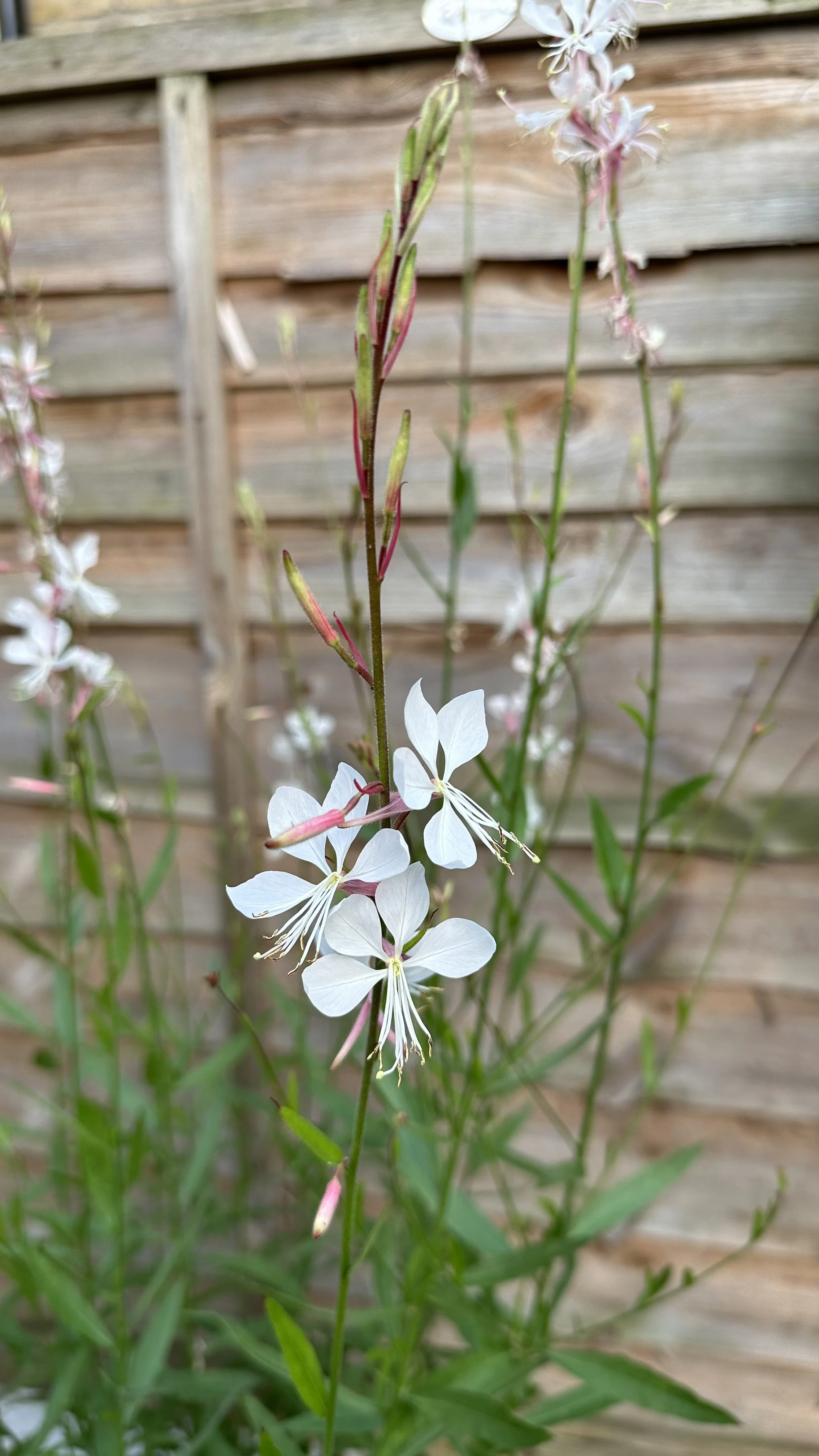
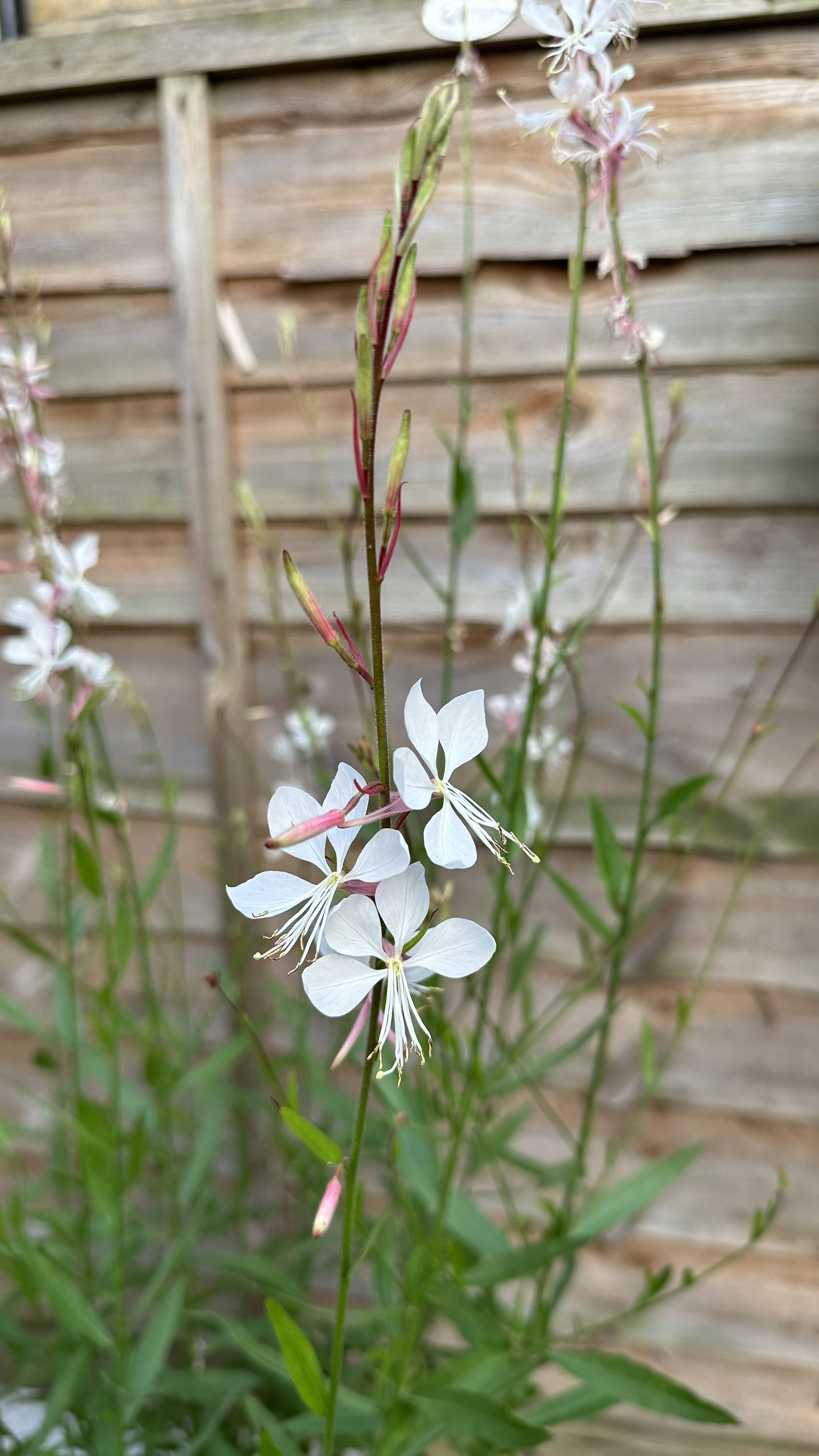
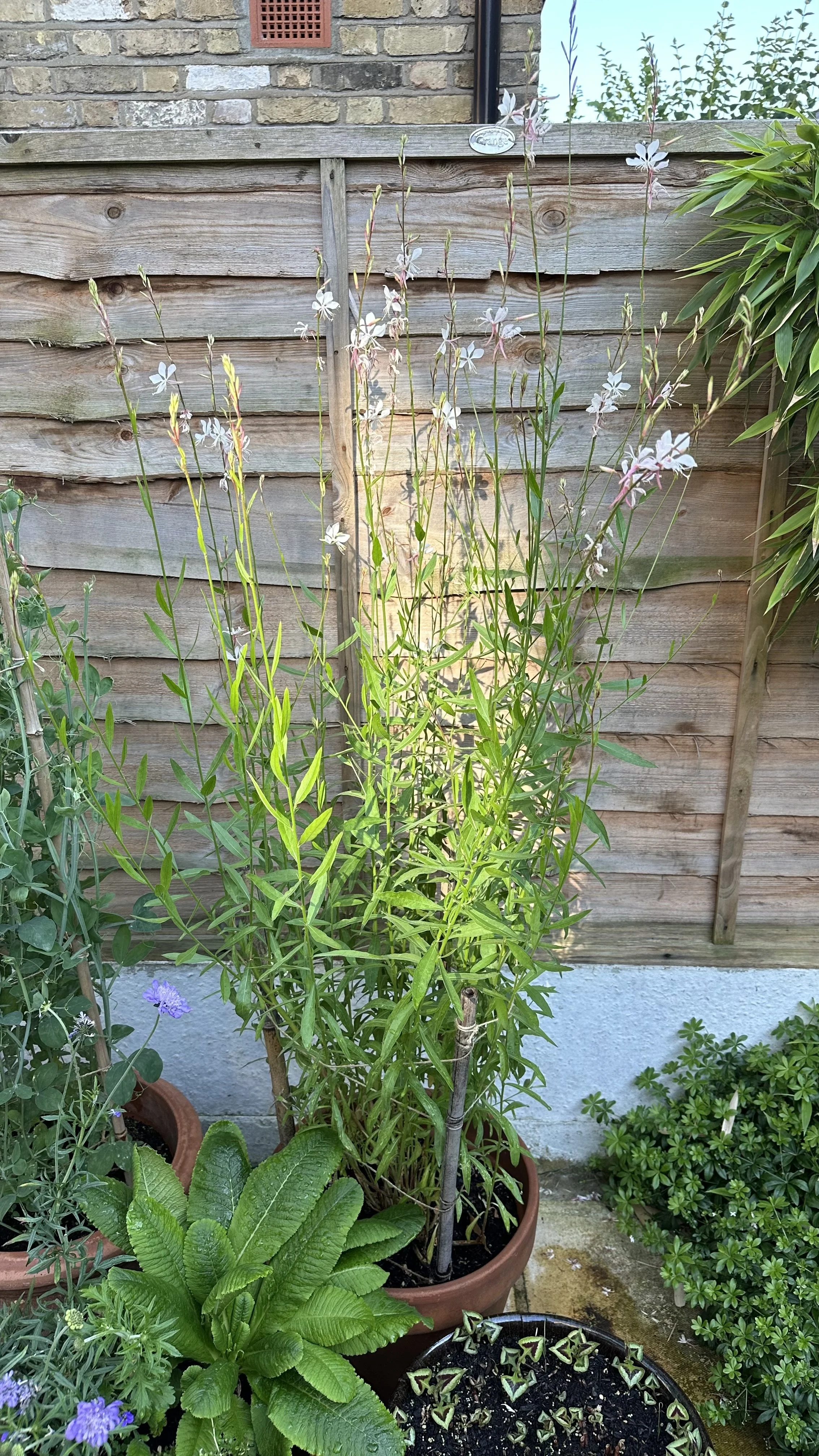
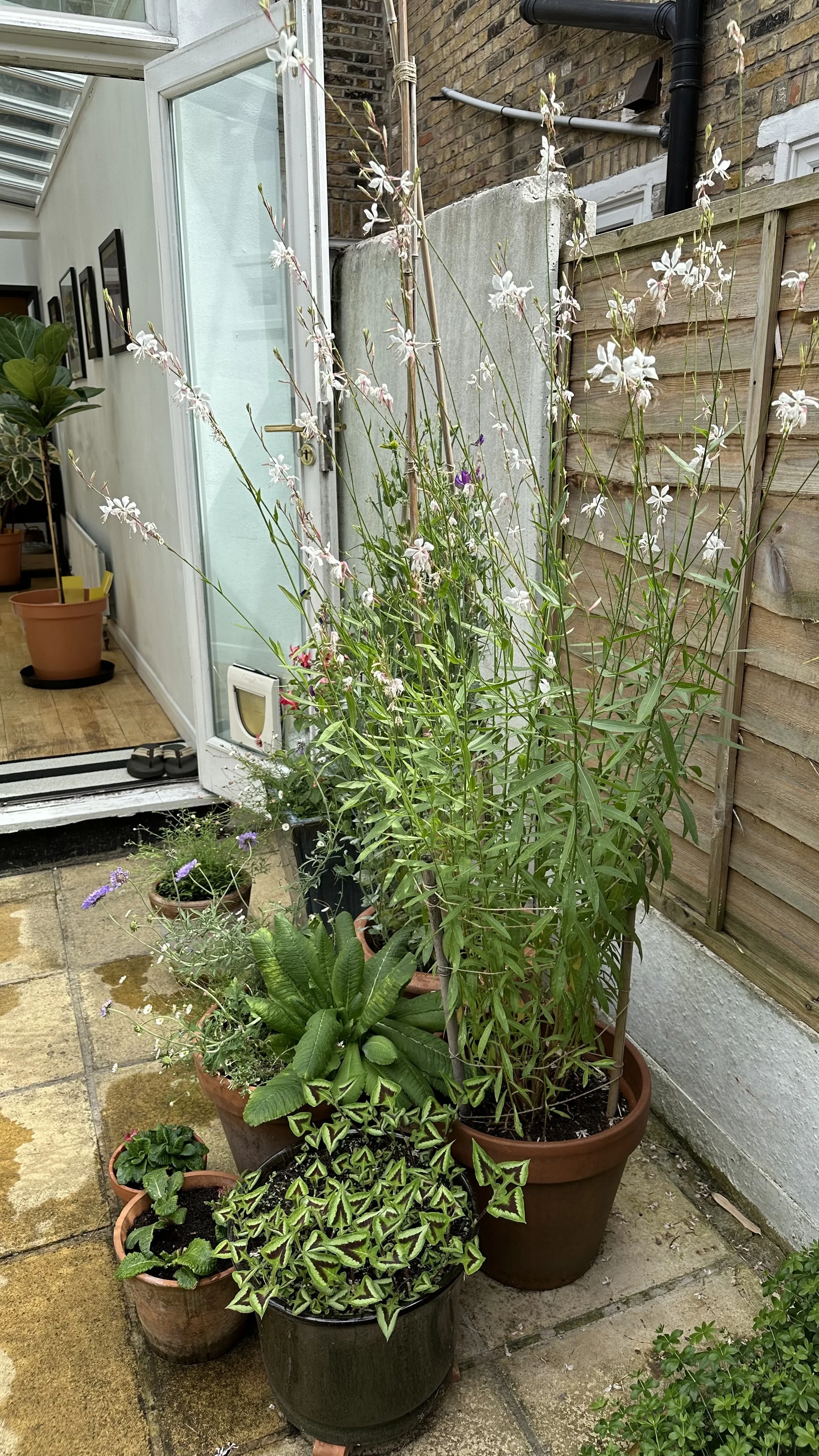
Gaura (Oenothera lindheimeri), also known as whirling butterflies, is one of those plants that I didn’t realize you could grow successfully in containers until recently.
It has a delicate appearance, but don’t be fooled, this perennial is tough and thrives beautifully in containers.
I love how its pink and white flowers flutter in the breeze.
If you’re after a plant that blooms for months without much fuss, gaura is a fantastic pick.
For more container garden ideas, check out my guides:
Choosing the Right Container
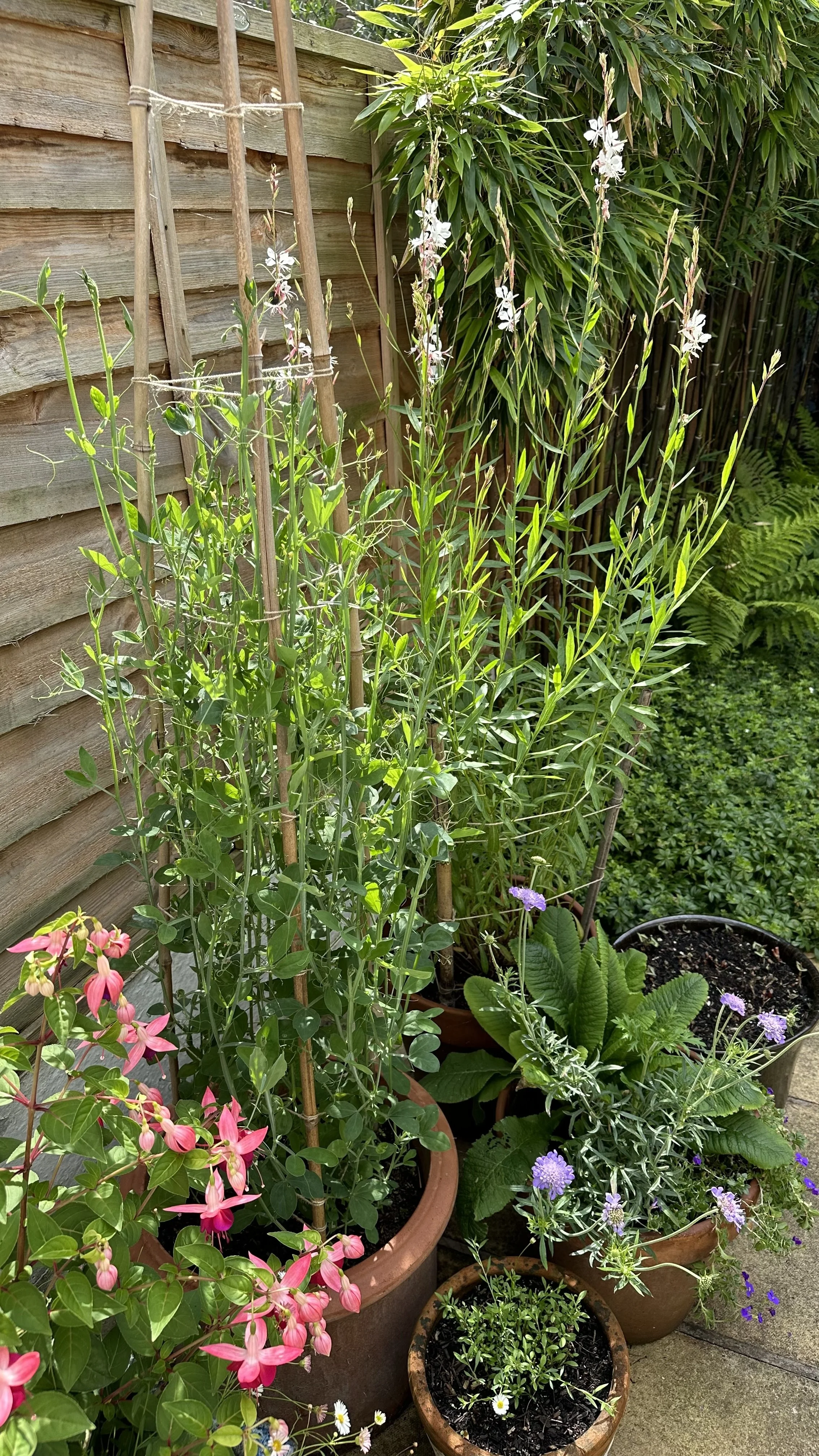
Picking the right container for gaura can make all the difference in its growth.
Since gaura has deep roots, I go for a pot that's at least 12 inches deep to give it plenty of space.
If you’re repurposing an old container, just make sure it has enough room to let the roots spread comfortably.
Drainage is just as important, these plants don’t like wet feet.
Choosing the right material matters, too.
Terracotta pots are great for keeping the soil on the drier side, but they can dry out quickly in hot weather, so more frequent watering may be needed.
Ceramic pots hold moisture a bit longer, while lightweight composite containers make it easy to move your gaura around to catch the best sunlight.
The key is finding a balance that works best for your space and schedule, so your plant stays happy and thriving.
Grow more in containers with my guides:
The Best Soil for Gaura in Containers
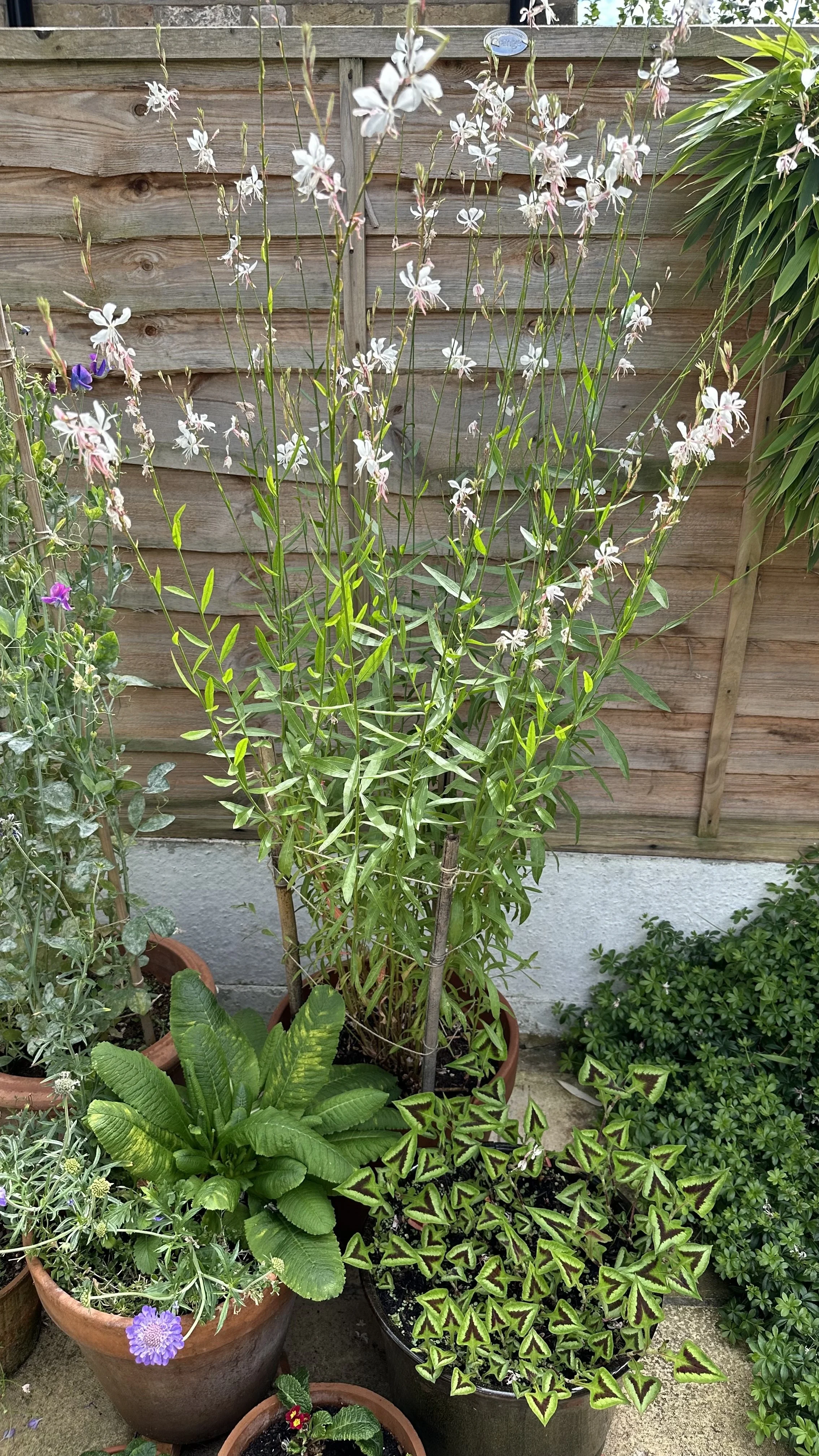
Getting the right soil mix for gaura is like creating the perfect home for a low-maintenance guest.
These plants thrive in well-draining soil and actually do better in lean, poor soil conditions rather than heavy, nutrient-rich mixes.
Gaura prefers drier conditions, so I steer clear of moisture-retentive soils that could lead to soggy roots.
Too much water is a surefire way to cause root rot, which can spell disaster for these otherwise hardy plants.
I think of it as setting up a stress-free environment where gaura can flourish effortlessly.
A little bit of tough love goes a long way with this plant, once it’s settled in, it thrives with minimal fuss.
For more container-growing tips, check out my guides:
Sunlight and Watering Needs
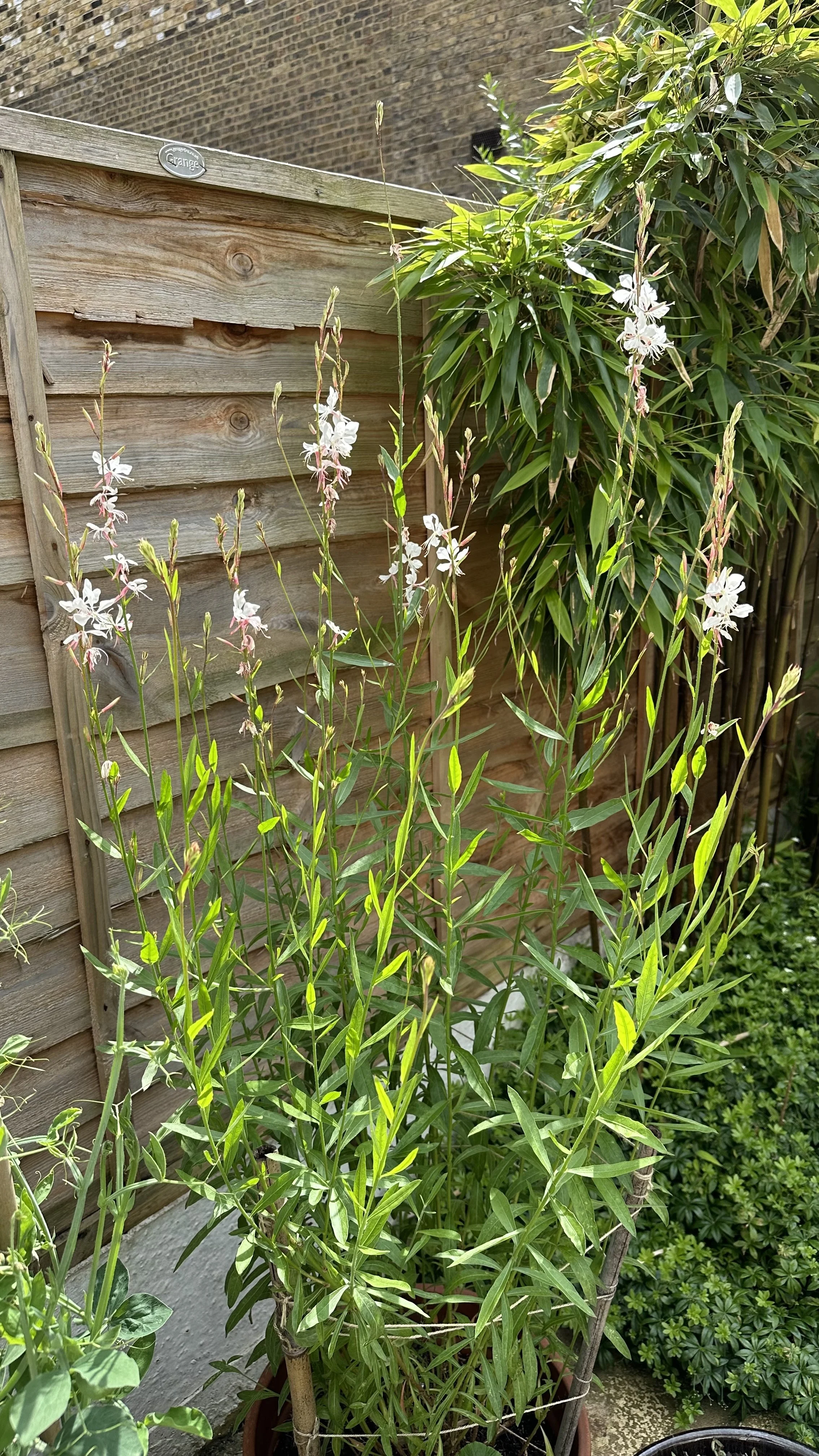
Gaura is a sun lover through and through, and it truly thrives when it gets at least six hours of direct sunlight every day.
If it’s stuck in too much shade, you’ll notice it stretching toward the light, getting leggy, and producing fewer blooms.
I always try to position my containers in the sunniest spot possible to keep my gaura plants happy and full of flowers.
Watering can be a bit of a balancing loop act.
While gaura is drought-tolerant once it’s established, potted plants dry out faster than those in the ground.
I check the soil by sticking my finger in about an inch deep—if it’s dry, it’s time to water.
Overwatering is the biggest mistake with gaura, so I make sure the excess can drain freely to avoid root rot.
It’s all about finding that sweet spot where the plant gets enough moisture without sitting in soggy soil.
Caring for Gaura in Containers
Keeping gaura happy in a container is surprisingly simple, and a little attention goes a long way.
Fertilizing:
I don’t go overboard with fertilizer—gaura actually does better with a light touch.
A diluted, balanced fertilizer once a month during the growing season is plenty to keep those delicate flowers blooming all summer.
If you notice excessive leafy growth but fewer flowers, you might be overfeeding it, so cut back on fertilizer if necessary.
Pruning:
Regular deadheading keeps gaura looking fresh and encourages new blooms to appear throughout the season.
If your plant starts looking a bit wild, don’t be afraid to trim it back lightly to maintain a tidy shape.
In early spring, I like to give my gaura a hard prune, cutting back old growth to about six inches.
This helps stimulate healthy, bushy new shoots and ensures a fuller plant for the growing season.
Winter Care:
Gaura is hardy in zones 5-9, but container plants are a little more vulnerable to freezing temperatures.
When winter rolls in, you can either move your pot to a sheltered area, like a garage or covered porch, or pile up some mulch around the base to help insulate the roots.
In colder climates, it’s best to trim the plant back in late fall and bring the container indoors to protect it from harsh frosts.
If that’s not an option, wrapping the pot with burlap or a plant cover can also provide some extra insulation against the cold.

Expand your container garden with these guides:
For more companion planting ideas, check out my guides:
Common Problems with Gaura in Containers
While gaura is generally easygoing, it does have a few quirks that might require some attention.
Leggy growth:
If your gaura looks tall and spindly with fewer blooms, it’s likely craving more sunlight.
Try moving it to a sunnier spot, and you should see a noticeable improvement.
Root rot:
This is one of the biggest pitfalls with container-grown gaura.
Overwatering or poor drainage can quickly lead to soggy roots, so make sure your pot has proper drainage holes and let the soil dry out between waterings.
Fewer flowers:
If gaura isn’t putting on its usual floral show, it could be getting too much fertilizer or sitting in too much shade.
A little neglect actually works in its favor, too much pampering can lead to more foliage and fewer blooms.
For more plants to attract pollinators, check out my guides:

Frequently Asked Questions
Does gaura spread?
Gaura has a tidy clumping habit, so it won’t take over your garden.
However, in the right conditions, it might self-seed.
If you don’t want extra seedlings popping up, just snip off the spent flowers before they set seed.
Can I grow gaura in containers indoors?
Gaura really thrives in outdoor conditions, but if you have a super sunny spot—like a south-facing window—it might manage indoors.
Just make sure it gets enough light and use well-draining soil so it doesn’t get too much moisture.
Does gaura die back in winter?
If you’re in a colder climate, gaura may die back to the ground, but don’t worry—it will likely return in spring.
In warmer regions, it might stay green year-round.
If you’re growing it in a container and expect a harsh winter, consider moving it to a sheltered spot to give it some extra protection.
What are the best gaura varieties for container planting?
Compact varieties work best for containers.
Some favorites include ‘Siskiyou Pink,’ ‘Crimson Butterflies,’ and ‘Whirling Butterflies.’
These don’t get too tall and still produce loads of delicate blooms.
How do I prune gaura?
In early spring, I cut back old stems to help fresh, healthy growth emerge.
Can gaura grow in poor soil?
Absolutely!
Gaura actually prefers well-draining, low-nutrient soil, which makes it perfect for gardeners who don’t want to fuss over rich compost or heavy fertilizers.
What are some gaura container ideas?
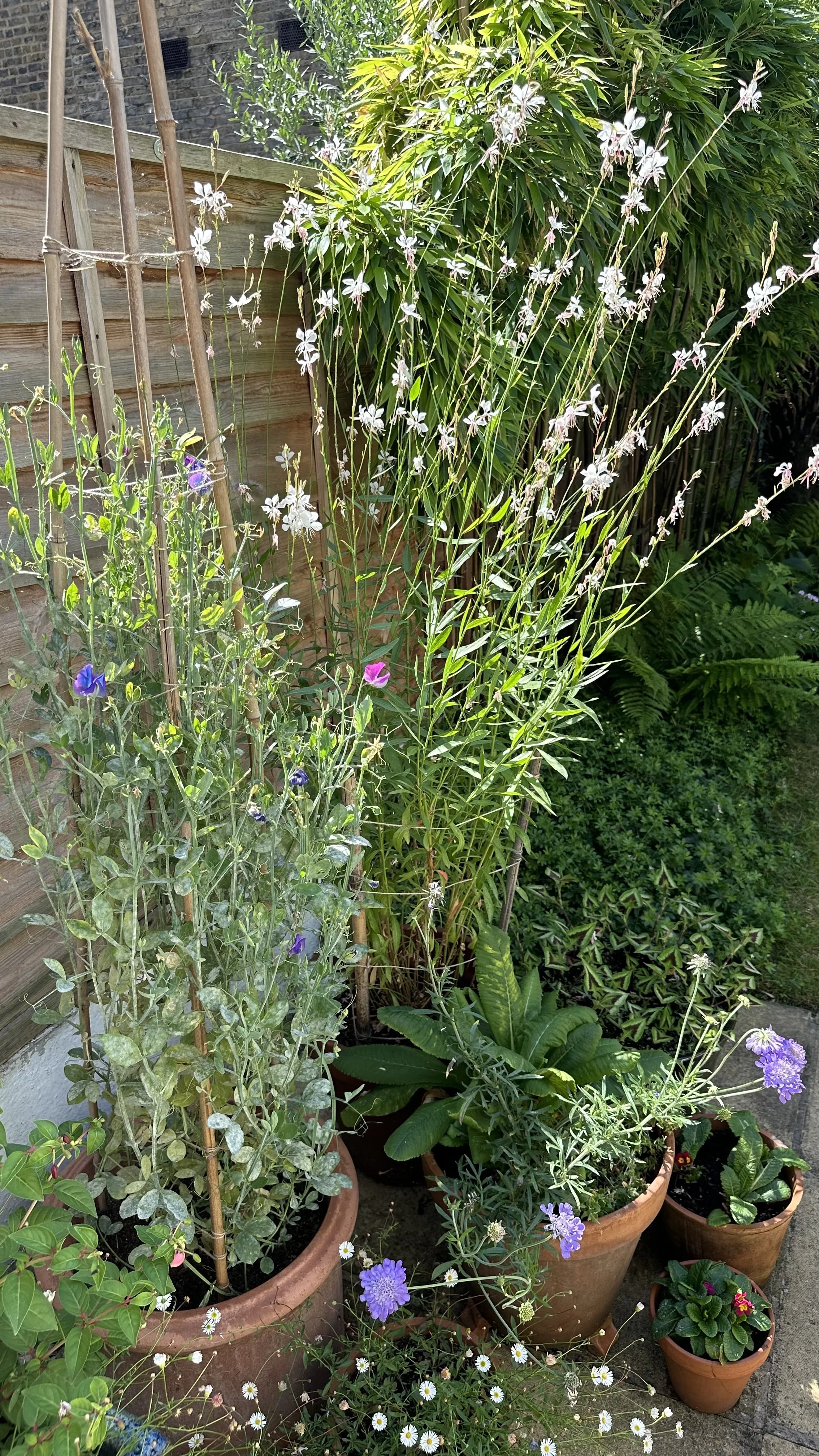
Gaura looks amazing in a rustic clay pot paired with ornamental grasses for a soft, flowing effect.
If you’re going for a pollinator-friendly container, try pairing it with lavender or echinacea to attract bees and butterflies.
Pin this post to save it for later!